



Sell to global brands. Without a sales team.
TPP runs the reward and loyalty programs of iGaming operators — their players redeem physical products. Join the supplier network with one contract and one integration: we sell, you deliver.
Orders routed
1,284
Billed to TPP
€ 486,310
 Nintendo Switch 2NSW2-BLKES€ 379.0042
 Beats Powerbeats ProBTS-PBP-ORPT€ 199.00310
 Xbox gift card 50 €XBX-GC-50IT€ 50.00∞
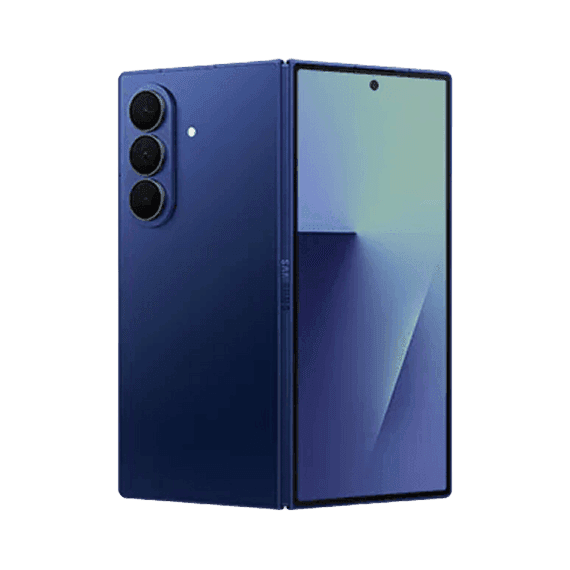 Galaxy S24 128 GBSGS24-128-BLFR€ 649.008
Nintendo Switch 2
NSW2-BLK · Qty 1
Ship to
A. Martín
Gran Vía 32 · 28013 Madrid
One integration, recurring demand from every brand in the network.
Those brands’ reward budget already exists and is already being spent. What costs you is reaching it: months of procurement, a bespoke integration per client and a different contact in every market. TPP aggregates that demand behind a single counterpart.
Demand that’s already budgeted
Brands in production with an approved reward budget already being spent. You don’t have to create the market — or fund the sales cycle that reaches it.
One contract, one contact
A single commercial and technical counterpart for the whole network, instead of a separate project for every brand.
Zero cost of sale
No prospecting, no negotiating, no RFPs: sales, storefronts, campaigns and recipient support are operated by TPP. Your team handles product and dispatch.
Every brand in your market
One agreement opens up the brands that reward with physical product in the country where you already operate. Not one more customer: the aggregated demand of all of them.
You get paid in 10 days. Not 60, not 90.
You invoice us and you get paid by us. The term is a contractual commitment and doesn’t depend on the brand having paid us: that risk is ours.
A 10-day cap
Counted from your invoice, on a weekly, biweekly or monthly billing cycle — whichever suits your cash flow. The cap applies the same in all three.
The default risk is ours
If the brand is late or stops paying, that’s our problem: no recourse against you and no withholding your invoices while it gets sorted.
In your market’s currency
You invoice in the currency you operate in, under your own tax regime. No FX risk and no conversion costs.
How it works
From your catalog to the recipient’s door.
Four steps, and only two of them are yours: publish price and availability, and ship the parcel.
- 01
We connect your catalog
We import your feed and map every product to our canonical catalog, with price and stock per country.
- 02
We publish it where the demand is
Reward storefronts, CRM campaigns, VIP catalogs and redemption mechanics across every brand we operate.
- 03
The order reaches you
When a recipient redeems, you get the purchase with your own product reference and the delivery address.
- 04
You ship, we take it from there
You return carrier and tracking. Recipient support, incidents and billing the brand stay with us.
What we need to integrate you
Four things. If you already sell online, you probably have them.
None of them requires building a new product. Start with a spreadsheet if that’s where you are — the level of automation is a decision, not a filter.
- catalog.json
{ "product_id": "SKU-8842", "sku": "NSW2-BLK", "country": "es", "currency": "EUR", "price": 379.00, "stock": 42 }01A product catalog
Identifier, name, SKU, net price, currency, country, stock and status. CSV, JSON or API — we adapt to what you already publish.
- POST /orders
POST https://tu-api/orders { "reference": "OI-ABC123", "product": "SKU-8842", "qty": 1, "recipient": { name, address, city, zip, country } }02A way to receive orders
An HTTPS endpoint where we send the purchase with the recipient’s address, and you return your own order reference.
- order.statuspendingOI-ABC123 · receivedshippedCE12345678ES · Correos Expressdelivereddelivered · 28 May, 10:15
HMAC signature on every event
03Order status and tracking
A signed webhook to us, or a periodic check from our side. We need status, carrier and tracking number.
- agreement
- Net price per country and currency
- Real delivery lead times
- Incident and return policy
- Support contact and hours
04The operating agreement
The non-technical part: net price per market, lead times you can actually meet, incident policy and a support contact.
You start with no API. You automate when volume pays for it.
Three levels. The first one doesn’t touch your technical roadmap and already invoices real orders — automation is a volume decision, not an entry filter.
- 01
Level 1 — No development
You send the catalog as a CSV or spreadsheet and receive orders by email. Set up in days, and it’s already real sales: invoiced and paid exactly as at any other level.
Start here - 02
Level 2 — Catalog and order API
Automatic price and stock imports, plus order creation against your endpoint. This is the usual level in production.
- 03
Level 3 — Real-time status
Signed status and tracking webhooks, synchronized stock and multi-country coverage. Less manual work per order on both sides.

Where we need suppliers
We are looking for suppliers everywhere.
The brands we operate reward people in dozens of countries. We’re just as interested in someone who serves one market as in someone who covers several: if you operate in more than one, you enter them all with a single sign-up.























































Your catalog, your identity and your channel stay yours.
Joining the network doesn’t mean opening your whole inventory, giving up your own clients, or letting brands see the price you sell at.
No exclusivity
Keep selling through your own channels and to the clients you already have. TPP is additional demand, not a contract that closes doors.
You define the catalog
Start with the categories, markets and SKUs you want, with your own references and prices, and expand later without redoing the integration.
Your identity and price, protected
The visible counterpart is TPP and your net price is confidential: no brand can go around the agreement and come to you holding your own price.
Rules in the open, not a black box
You only receive orders delivering to countries where you already operate — never international shipping. Coverage, delivered price and lead time decide; when an order isn’t assigned to you, we tell you which of the three.

Onboarding
From the first call to live: four states.
Every supplier has a visible state on the platform. Nothing you hand us is exposed until you approve it: your catalog only reaches the brands once it is live.
- 01
Scope and contract
Application≈ 1 weekFramework agreement, markets, categories, terms and a technical contact. Your profile exists, but exposes no products yet.
- 02
Catalog connection
Integrating1–3 weeksWe connect your feed, map your products to our catalog and configure how orders reach your system. With Level 1 it’s days.
- 03
Real QA orders
Testing≈ 1 weekA test store runs the full cycle end to end — purchase, shipment, status and tracking — without touching production.
- 04
Catalog published
Livefrom that day onYour products become available to the agreed brands and markets, with their price and their stock.
Supplier FAQ
The questions suppliers ask before the first call.
You invoice us and you get paid by us: a 10-day cap from your invoice, on a weekly, biweekly or monthly cycle — your choice.
That’s our problem, not yours. We carry the default risk: no recourse against you and no withholding your invoices while it gets sorted.
No. You only receive orders delivering to countries where you already operate — we solve multi-market coverage with a local supplier per country.
No. The catalog is defined with you: start with the categories and markets you want and expand later without redoing the integration.
Only if you want it to. The visible counterpart is TPP and your net price is confidential, so no brand can go around the agreement and come to you directly. In exchange, you never negotiate branding or packaging with each brand.
No. No supplier gets special status on the platform, and you keep selling through all of your own channels.
Only what shipping requires: name, address, contact details and the order reference. Nothing about the relationship between the brand and that person.
It depends on the level: a feed with manual orders can be running in days; a full integration with signed webhooks takes longer.
Yes. Price, currency, stock and availability are defined per country — that combination is the unit we work with. If stock is unknown, the product is simply not sold.
Apply
Tell us what you supply, and where.
Send us the basics and we come back with the integration level, the markets and a test plan. If there’s a fit, the next step is a 30-minute technical call.
- 30-minute technical call, no commitment.
- We agree markets, categories and integration level.
- We close with a test plan and real QA orders.
We only use this to evaluate the fit as a supplier. No newsletters, and we never resell your data.